
Disclaimer: This article is for educational and informational purposes only. It reflects personal experiences and general advice about relationships. It is not legal, medical, or professional counseling advice. Readers should use their own judgment, seek professional guidance if needed, and approach sensitive situations responsibly.
Hey there—my name is Sam, and I came across this topic while reading through Reddit, where I noticed a lot of people asking the same painful question about cheating in relationships but finding very limited, surface-level answers. Relationships are supposed to be our safe havens, places where we feel loved and secure, yet cheating can shatter that sense of safety in an instant. I’ve been through it myself, and it feels like a storm that makes you question everything—your worth, your judgment, even your sanity.
That’s why I decided to write this article on my blog, CatchingCheating. Here, I’ll break down what cheating really means in a relationship, share raw emotions from my own life and from people I’ve known, talk honestly about how cheating can be prevented, and guide you on what to do if you suspect your partner may be straying. This isn’t just about facts or definitions—it’s about the heart, the tears, and the healing. Let’s walk through it together, step by step, like friends talking over coffee.
What Exactly Is Cheating in a Relationship?
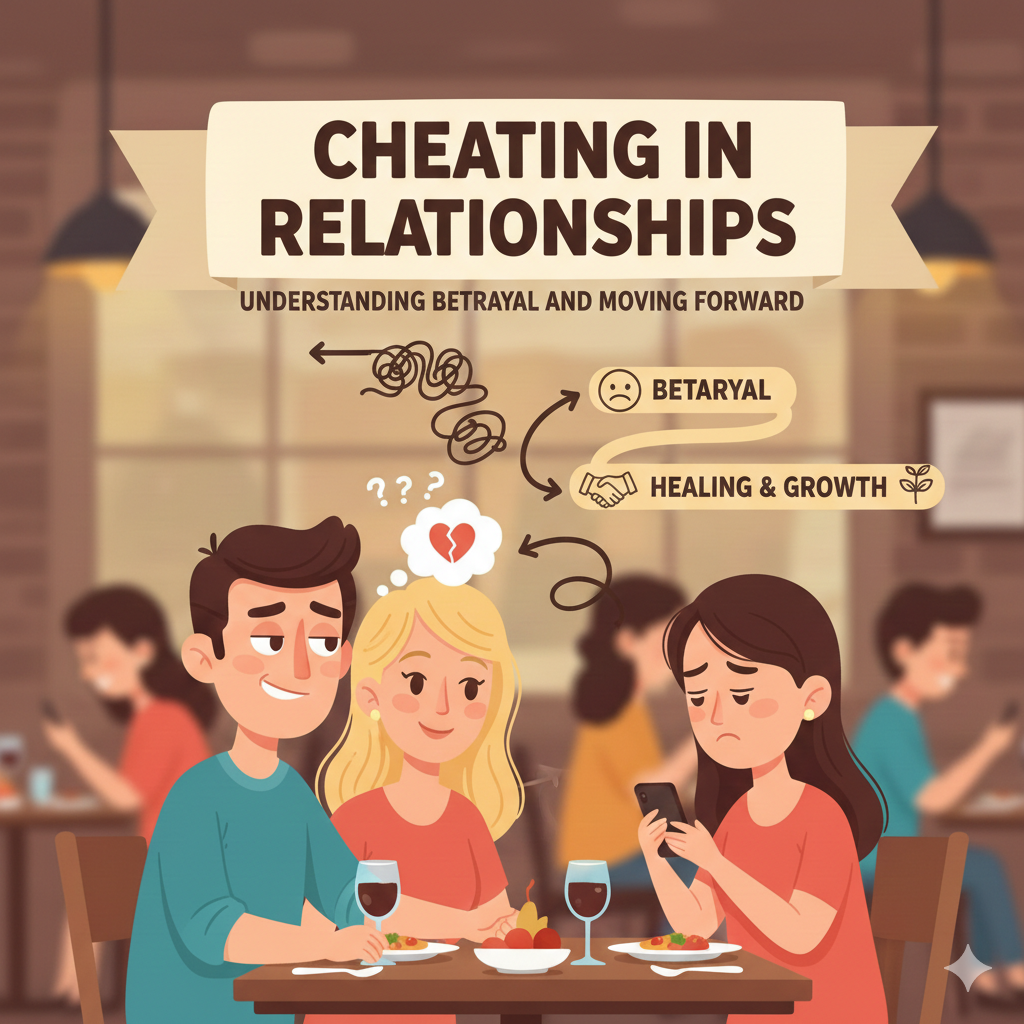
At its core, cheating is a betrayal of trust—the kind where one partner breaks the agreed-upon boundaries of the relationship. For some couples, it’s physical intimacy with someone else, like kissing, touching, or sleeping with another person. For others, it’s emotional—pouring your heart out to a “friend” in ways you should only do with your partner, building secret connections that erode the foundation. And in today’s digital world, it can be sneaky stuff like flirty DMs on Instagram, hidden Tinder profiles, or even porn addiction if that’s outside your mutual comfort zone.
The key word is “agreed-upon.” What counts as cheating varies by couple—if you haven’t talked about it, that’s where problems start. I remember my first real brush with this back in college. My girlfriend at the time, let’s call her Mia, was my everything. We were young, in love, planning futures together. But one night, I found texts on her phone from a guy in her class—nothing explicit, but the emojis, the late-night “miss you” messages, it gutted me. Was it cheating? To me, yes, because we’d promised exclusivity. The pain was visceral—like a punch to the stomach that leaves you breathless. I confronted her, tears streaming, and we broke up. That experience taught me cheating isn’t just about actions; it’s about the secrecy and the lies that make you feel like a fool. If it hurts the trust, it’s cheating. And trust me, the emotional scar lingers longer than you’d think.
The Emotional Toll of Discovering Cheating
When you find out your partner is cheating, it’s not just anger or betrayal—it’s grief. You grieve the person you thought you knew, the future you pictured, the version of yourself that felt safe and loved. The questions flood in: “Was any of it real?” “How long?” “Was I not enough?” I had a close friend go through this last year. Her husband had been texting a coworker for months. When she confronted him, he broke down, saying it “just happened.” She told me she felt like her entire marriage had been a lie. The nights of crying, the loss of appetite, the way her confidence shattered—it was heartbreaking to watch.
And for the person who cheated? Guilt can be crushing too. Many aren’t monsters; they’re flawed humans who made terrible choices. But the damage is done. The trust is broken, and rebuilding it—if it’s possible—takes years of consistent effort. Some couples do it. Others don’t. And that’s okay—sometimes walking away is the kindest thing you can do for yourself.
How Can We Prevent Cheating in Relationships?
Prevention is better than cure, right? It starts with open, honest communication—from day one. Talk about your boundaries: What’s okay? Flirting at parties? Exchanging numbers with coworkers? Set those rules together, and revisit them as life changes. In my current relationship, we have “check-in nights” every month where we share feelings, fears, and even attractions to others. It sounds weird, but it builds intimacy and prevents secrets from festering.
Emotional connection is huge too. Cheating often stems from unmet needs—feeling unappreciated, lonely, or bored. Keep the spark alive: Date nights, surprise notes, really listening without phones distracting you. Physical intimacy matters, but so does emotional—ask about their day, support dreams, be their cheerleader. And self-awareness? Crucial. If you’re tempted, ask why. Is it stress? Boredom? Address it head-on, maybe with therapy. Couples counseling saved a friend’s marriage—they were on the brink because he felt neglected after kids, but talking it out rebuilt their bond.
What to Do If You Suspect Your Partner Is Cheating
The signs can be subtle, but they add up. Sudden phone guarding? Password changes? More “work trips”? Less intimacy? My buddy noticed his wife dressing up for “grocery runs” and coming home late—turned out to be an affair. Emotionally, they withdraw—less eye contact, irritability, or over-the-top affection to compensate.
If you spot these, don’t accuse wildly—that backfires. Gather thoughts calmly. Check shared accounts ethically (no hacking—it’s illegal and wrong). Talk openly: “I’ve noticed changes; is everything okay?” If denial feels off, dig deeper legally. Tools like Social Catfish helped a colleague verify a suspicious profile—reverse image search revealed stolen pics. But remember, suspicion can poison you too—seek support from friends or therapists.
If confirmed? The pain is raw—shock, anger, grief. Give yourself space to feel it. Confront if safe, but prioritize safety—some situations turn volatile. Seek counseling, even alone. Rebuild self-esteem: Hit the gym, pursue hobbies, surround with loved ones. Financially, protect assets if married. Legally, consult pros for divorce if needed.
Healing takes time. I dated casually after Mia, but trust issues lingered. Therapy helped—realizing cheating says more about them than you. Eventually, I found love again, stronger and wiser.
Final Thoughts: You Are Worthy of Real Love
Cheating hurts because we open our hearts. But it doesn’t define your value. You are enough—always. Whether you stay and rebuild or walk away, choose what honors your worth. Talk, set boundaries, stay connected. And if betrayal happens, know you’re not alone. Healing is possible, and love that stays true is worth waiting for.